

Your morning routine influences tonight. Start tonight, and continue tomorrow morning.

Quick answer: A good night routine sets up tomorrow’s energy, mood and blood sugar. In the last two hours before bed, focus on three things: dim the lights, cool your body and bedroom, and finish larger meals two to three hours before sleep. Then get natural light first thing in the morning.
Everything in life follows a rhythm. For us, that rhythm has always followed the sun and the moon. Maybe that’s why we’ve spent our entire existence looking up at the sky.
Our bodies run on that same rhythm. It’s called the circadian rhythm: your internal 24-hour clock.
The rhythm of life
Picture your circadian rhythm as the beat of your life. When everything is in sync, it’s like your favorite song played by a great orchestra. Every musician hits every note on time.
Now imagine that orchestra is your body.
- Your heart keeps the beat, moving blood and oxygen.
- Your brain strengthens connections between neurons.
- Your liver and pancreas work together to regulate blood sugar.
- Your digestive tract moves in rhythm, at predictable times.
Your energy peaks when you need it. Your body starts preparing for rest as the day ends.
Every organ has a role. Every system has a rhythm. When those rhythms line up, your body works at its best.
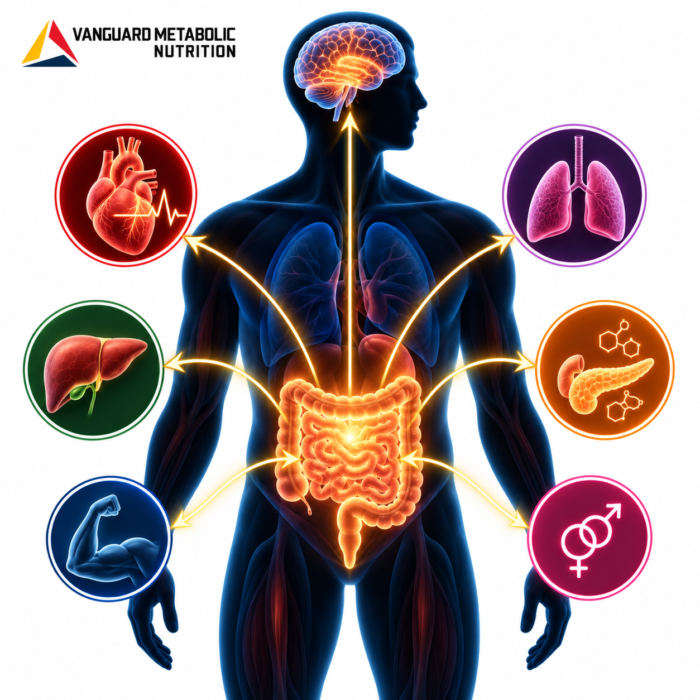
So what happens when the orchestra falls out of sync?
Modern life has disrupted our natural rhythm
For most of human history, light and darkness set our schedule. Daylight meant work. Darkness meant rest. Firelight existed, and sleep patterns varied by culture and season, but nothing like what we have now.
Today there’s artificial light above us, outside our homes, in our bedrooms and in our hands. We stretch our days well past sunset and keep our brains switched on when our bodies should be winding down.

Now we search for “biohacks” to restore a rhythm our environment used to set for free.
This matters for more than sleep. Your circadian rhythm affects metabolic health, blood sugar, appetite, digestion, mood and energy.
At Vanguard Metabolic Nutrition, our goal for every member is the same:
Optimal quality of life, with vibrant energy, for as long as possible.
We are training for life. Every decision shapes your future self. Every day counts. Every decision matters.
But this isn’t about a perfect score. Life will keep knocking. The goal is to move the needle and be ready to respond, not react.
That means not starting tomorrow frazzled after three snoozes, rushing to get yourself ready, the kids out the door, the pets fed and your own head straight.

It means building a routine that prepares you for the day ahead. And that starts tonight.
Three things you can do tonight to improve tomorrow
The last two hours before bed matter most. Your body needs clear signals that the day is ending. Focus on three areas.
1. Control your light exposure
Your brain uses light to tell time. Special cells in your eyes (intrinsically photosensitive retinal ganglion cells, or ipRGCs) send light information straight to your body’s master clock.
Two hormones follow that clock:
- Cortisol rises toward morning to help you wake up and meet the day.
- Melatonin rises in the evening as darkness signals it’s time to sleep.
Bright light at night can delay melatonin and push your whole sleep-wake cycle off track. Since sleep drives almost everything else, it’s worth protecting.
Tonight:
- Turn off lights you don’t need. Swap bright overhead lights for dim lamps.
- Put the phone down, or at least dim it. Skip the doomscrolling and stimulating videos.
- Make your bedroom dark. Blackout curtains or a comfortable sleep mask help. In a pinch, a soft shirt over your eyes works, as long as it doesn’t block your breathing.
- If possible, step outside at sunset. Let your eyes take in the changing light. It’s one more signal that it’s closing time.
Washington summers: daylight can last well into the evening and return very early. Cover those light gaps on purpose.
Up at night with kids, puppies, patients or loved ones? You may not get full darkness. Keep light dim and use a warm or red nightlight for tasks that need it.
Think of it as telling your body: closing time. Let melatonin take the night shift without interruptions.
2. Cool your body and your bedroom
Your core body temperature naturally drops as you approach sleep. A cooler room supports that drop.
Tonight:
- Use the cool evening air: a short walk or a few minutes outside.
- Cool your bedroom before bed.
- Try a warm shower one to two hours before bed. It sounds backwards, but warming up first helps your body cool down faster afterward.
The goal isn’t to be cold. It’s to make the shift into sleep comfortable.
3. Give your digestion time to wind down
Your digestive system is part of the orchestra too.
A large meal right before bed keeps your body busy: you’re still digesting, blood sugar may be rising, and your liver and pancreas are still working. Digestion also produces heat. If you deal with indigestion, bloating or reflux, late meals usually make it worse.
Tonight:
- Finish larger meals two to three hours before bed when you can.
- If you need something (hunger, higher energy needs, or a medical reason), keep it light and easy to digest: plain yogurt with berries, cottage cheese with a little honey, or a light shake made with whey protein isolate.
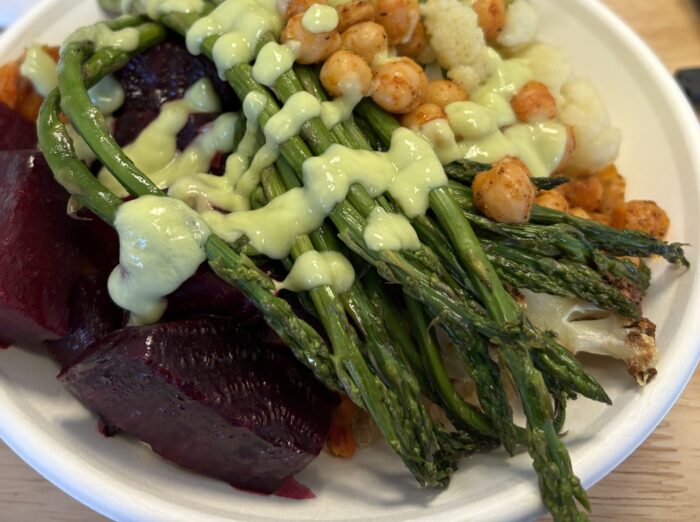
Need an early dinner idea? Try my pick from this week’s newsletter: Chicken, Beet & Carrot Bowl. Roast everything on one sheet pan, with 30 g of protein per serving. Make a batch and finish dinner two to three hours before bed. Get the full recipe →
If you’re at risk for low blood sugar overnight, plan your bedtime snack and any medication changes with your diabetes care team.
The goal isn’t to go to bed hungry. It’s to give your body what it needs without the digestive load.
What about shift workers, new parents and caregivers?
Not everyone controls when they sleep. Night shifts, newborns, aging parents and patients don’t follow a sunset schedule.
You can still use these principles:
- Manage light around your sleep window, not the clock on the wall.
- Make your sleep space cool and dark.
- Keep as much consistency as your responsibilities allow.
For shift workers, bright light during the shift and low light before sleep can help your body adapt, though rotating schedules stay tough.
Optimize what you can control. Don’t abandon the routine because you can’t control everything.
Three supplements worth discussing for sleep support
First, a rule: supplements support your routine. They don’t replace it. No pill makes up for chronic short sleep, an irregular schedule or a bedroom that keeps your brain switched on.
With that said, here are three I often discuss.
1. Valerian root
Valerian is an herb traditionally used to calm the nervous system and ease the transition into sleep. Research results are mixed, so think of it as a gentle option. A warm cup of caffeine-free tea is also a ritual in itself, and it tells your body it’s time to wind down.
2. Bifidobacterium longum 1714 (the gut-brain connection)
This one I take consistently. B. longum 1714 is a specific probiotic strain studied as a “psychobiotic”: a microbe that may influence the gut-brain axis. Early research has looked at its role in stress response, cortisol and perceived sleep quality.
What fascinates me is that this isn’t another vitamin or mineral. It’s living bacteria that may communicate with your nervous system through your gut. I use Microbiome Labs’ Gut-Brain Reset, especially during demanding stretches.
Disclosure: this post contains an affiliate link. If you buy through it, I may earn a commission at no extra cost to you. I only recommend products I use.
Shop Gut-Brain Reset and my other picks on Fullscript →
3. Magnesium glycinate
Magnesium supports nerve signaling, muscle function and hundreds of metabolic processes. Some people notice better relaxation and sleep after starting magnesium glycinate, especially if their intake has been low. When you’re carrying sleep debt, even a small improvement can change how you feel the next morning.
Before starting any supplement, check with your provider or dietitian, especially if you’re pregnant or breastfeeding, take prescription medications or sedatives, or have kidney or liver disease. Choose products with independent third-party testing.
Putting it all together
The goal isn’t just falling asleep faster. It’s building a rhythm that prepares your body for tomorrow.
That rhythm starts with light, temperature, food and your evening routine. And it continues in the morning:
- Get up at a consistent time when you can.
- Step outside for natural morning light.
- Move your body.
- Fuel yourself well.
- Start the day with intention instead of reacting to everything at once.

Then repeat.
You won’t get it right every night. There will be late dinners, interrupted sleep, sick kids, work demands and mornings when everything goes wrong. That’s life.
The goal isn’t perfection. It’s a system you can return to, even when your routine gets interrupted. Systems before motivation. Consistency over intensity.
We are training for life. Every day counts. Every decision matters.
Your night routine determines tomorrow. Your morning routine influences tonight.
Start tonight. Continue tomorrow morning.
Want help building a routine that fits your life? Learn about our 5-Step Metabolic Reset or book a visit.
Frequently asked questions
What is a good night routine for better sleep?
In the last two hours before bed: dim the lights and screens, cool your body and bedroom, and finish larger meals two to three hours before sleep. In the morning, get up at a consistent time and get outside for natural light.
How does sleep affect blood sugar?
Your circadian rhythm helps regulate how your liver and pancreas manage blood sugar. Short or disrupted sleep and late, large meals can make blood sugar harder to control the next day.
How long before bed should I stop eating?
Aim to finish larger meals two to three hours before bed. If you need a snack, keep it small and easy to digest, like plain yogurt with berries. People at risk for overnight low blood sugar should plan bedtime snacks with their diabetes care team.
Does light at night really affect sleep?
Yes. Light reaching special cells in your eyes tells your brain what time it is. Bright light at night can delay melatonin, the hormone that prepares you for sleep.
Is a warm or cold shower better before bed?
A warm shower one to two hours before bed can help your body cool down afterward, which supports sleep. The goal is a comfortable, cool bedroom, not being cold.
Can supplements fix poor sleep?
No. Supplements like magnesium glycinate, valerian or certain probiotics may support sleep, but they don’t replace a consistent routine. Talk with your provider before starting one.
Franco López III, RDN, is a registered dietitian nutritionist and founder of Vanguard Metabolic Nutrition, offering virtual metabolic and diabetes nutrition care across Washington in English and Spanish. Book a visit →
This article is for general education and isn’t medical advice. Talk with your healthcare provider about your situation.
Vanguard Metabolic Nutrition | Reset your metabolism. Reclaim your life.